
Classical Mechanics & Special Relativity#
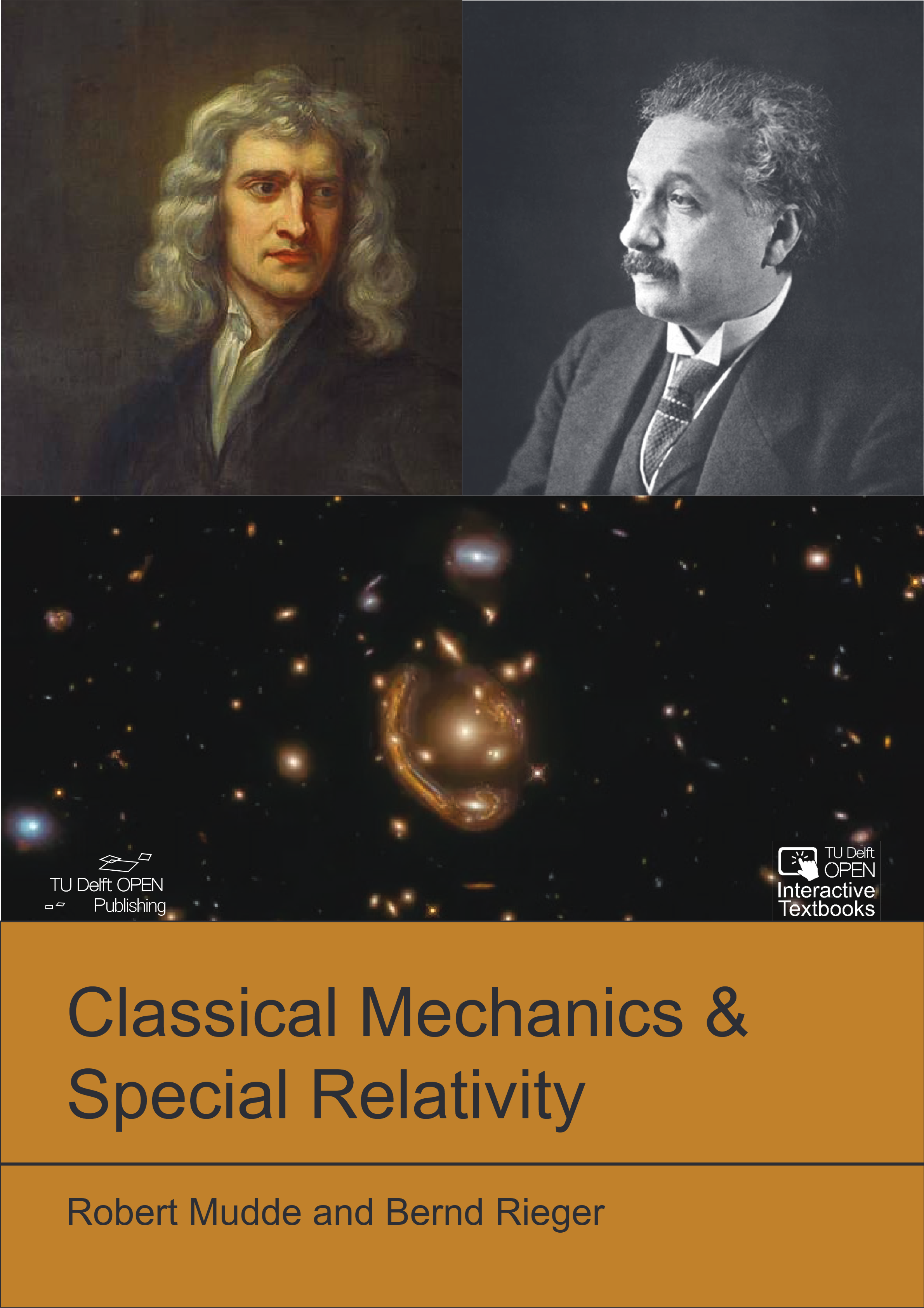
Fig. 1 From Wikimedia Commons, left (PD), right (PD), down (by ESA/Hubble & NASA, S. Jha, licensed under CC-BY 4.0),.#

This book provides an introduction for freshman students into the world of classical mechanics and special relativity theory. Much of physics is build on the basic ideas from classical mechanics. Hence an early introduction to the topic can be beneficial for new students. However, at the start of studying physics, lots of the required math is not available yet. That means that all kind of concepts that are very useful can not be invoked in the lectures and teaching. That does not have to be a disadvantage. It can also be used to help the students by introducing some math and coupling it directly to the physics, making more clear why mathematics should be studied and what its ‘practical use’ is.
With this book, we aim to introduce new students directly at the start of their studies into the world of physics, more specifically the world of Newton, Galilei and many others who laid the foundation of physics. We aim to help students getting a good understanding of the theory, i.e. the framework of physics. What is ‘work’ and why do we use it? Why is kinetic energy \(\frac{1}{2}mv^2\) and not \(\frac{1}{3}mv^2\) or \(\frac{1}{2}mv^3\)? Both 3’s are fundamentally wrong, but what is behind it?
This book is licensed under a Creative Commons Attribution 4.0 International License. It is part of the collection of Interactive Open Textbooks of TU Delft Open.
This website is a Jupyter Book. MarkDown source files are available for download using the button on the top right.
The bar on the right of this page opens Hypothesis, a service that allows you to add comments to pieces of text in this book.
